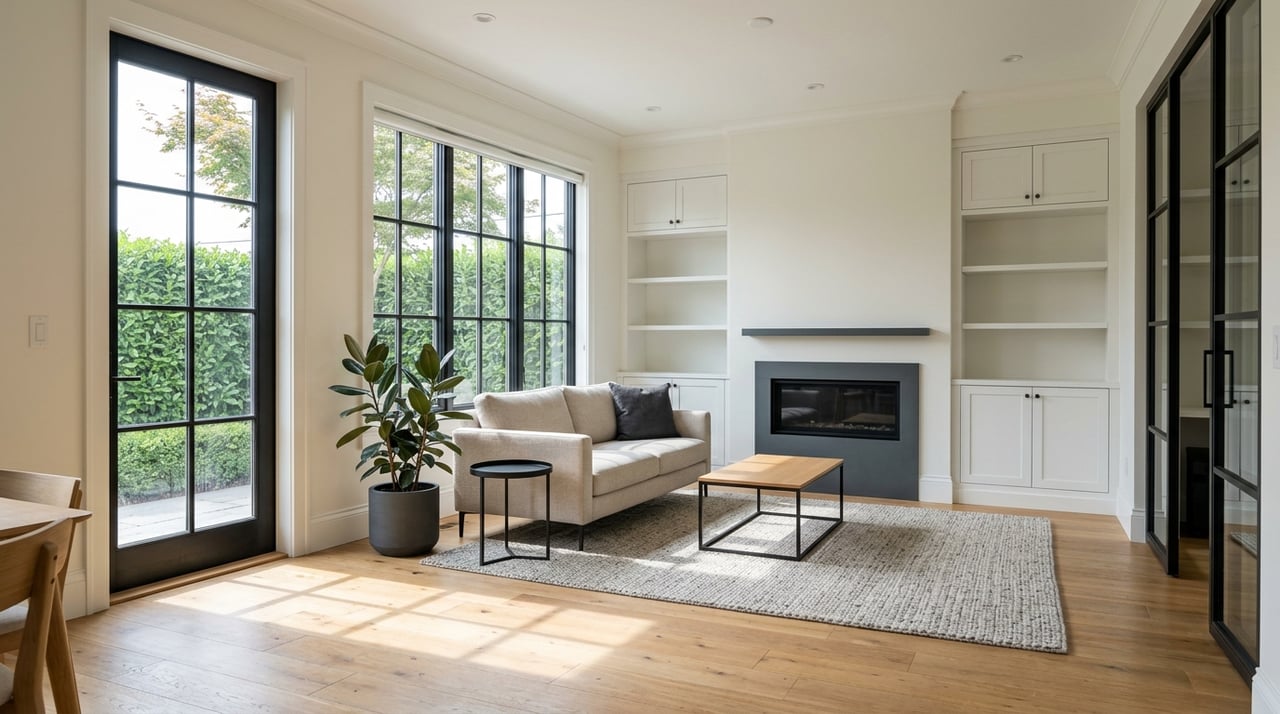
Camas Townhomes and Condos: How to Compare Your Options
Wondering if a townhome or condo in Camas could give you the lifestyle you want without stretching as far as a detached home? You are not alone. In a market where prices are still relatively high, many buyers are looking closely at attached housing to balance cost, space, and maintenance. The good news is that Camas offers more variety than many people expect, and knowing what to look for can help you make a smart move. Let’s dive in.
Camas remains a relatively expensive market. Over the last three months, Redfin reports a median sale price of $826,000, with homes selling in about 43 days on average and receiving about 2 offers on average. That means buyers often need to think carefully about what type of home gives them the best fit for their budget and lifestyle.
That is one reason townhomes and condos matter here. They can offer an entry point below some detached homes, even if the price gap is not always dramatic. In Camas, attached housing can be a practical option when you want good square footage and a lower-maintenance setup.
The city is also moving toward more housing variety. In 2025, Camas adopted Ordinance No. 25-025 to implement new state middle-housing and ADU rules, and the city says middle housing includes townhouses. Camas now allows two middle-housing units per residential lot, or four units if at least one unit is affordable.
That policy shift fits with the city’s broader Housing Action Plan, which was created to encourage housing diversity, affordability, and access to opportunity. For buyers, the takeaway is simple: attached housing is an important part of the Camas market, not just a niche category.
Current online inventory shows that townhomes are available, but still somewhat limited. A recent Realtor.com snapshot showed 35 townhomes for sale in Camas. That gives you options, but it is not a huge pool, so the best-fit homes may move quickly.
Many current townhome listings in Camas are larger than some buyers expect. Examples include 3-bedroom, 2.5-bath layouts from about 1,854 to 2,248 square feet. There are also some 4-bedroom options ranging from about 1,976 to 2,360 square feet.
Pricing in that same snapshot ran roughly from $599,000 to $795,000. That means some townhomes may come in below the citywide median sale price, but they are still firmly within a competitive mid-to-upper price range. If you are comparing townhomes with detached homes, the monthly budget matters just as much as the purchase price.
Based on the listings reviewed, a noticeable share of the visible attached inventory appears to be new construction in northwest Camas and the Camas Meadows area. That may appeal to buyers who want newer finishes and less immediate upkeep, though inventory patterns can change over time.
If you picture condos as small units with limited space, Camas may challenge that assumption. A current Realtor.com snapshot showed 19 condos for sale in Camas. Like townhomes, that is a modest inventory level, so selection can feel specific rather than broad.
Many local condo listings are fairly large. Active examples included 3-bedroom, 2.5-bath homes around 2,120 to 2,507 square feet, plus 4-bedroom homes around 2,475 square feet. In practical terms, many Camas condos offer the kind of square footage some buyers would expect from an attached single-family-style home.
Prices in that snapshot ranged roughly from $599,000 to $864,999. So while condos can sometimes create a lower entry point, they are not automatically a bargain category in Camas. The layout, finishes, dues, and overall ownership structure all matter.
In everyday conversation, people often use these terms loosely. Legally and financially, though, the ownership structure can matter more than the label. In Washington, a condominium is a common-interest community where part of the real estate is separately owned and the rest is commonly owned.
That common ownership piece affects maintenance, monthly dues, and decision-making. It also affects what is taxed and assessed. For you as a buyer, the key point is to understand exactly what you own and what the association is responsible for before you close.
This is why two attached homes with similar square footage can feel very different in real life. One may offer more owner control, while another may place more responsibility with the association. The listing style tells only part of the story.
It is easy to compare attached homes to detached homes based on sticker price alone. In Camas, that can be misleading. With the citywide median sale price at $826,000 and current attached listings ranging from about $599,000 to $864,999, the price advantage is often modest rather than dramatic.
The bigger financial question is your total monthly carrying cost. HOA dues and reserve contributions can shift some maintenance costs out of your personal to-do list and into regular monthly expenses. For some buyers, that tradeoff is worth it because it supports a lower-maintenance lifestyle.
At the same time, dues do not tell the whole story. The strength of the reserve fund, the condition of common elements, and whether special assessments are pending can all affect what ownership really costs over time. That is why attached housing should be evaluated as both a home choice and a financial structure.
When you tour a condo or townhome in Camas, one of the smartest questions is not just “Is there an HOA?” A better question is, “What does the association cover, and how healthy is it financially?” That answer can shape your comfort level more than the floor plan itself.
Under Washington law, associations are generally required to prepare and update reserve studies, with a professional visual inspection at least every third year unless an exemption applies. Those reserve studies can disclose reserve balances, funding levels, and any special assessments already implemented or planned. The law also warns that underfunded reserves may lead to deferred maintenance, higher reserve contributions, borrowing, or special assessments.
Before closing, buyers should review the resale certificate or public offering statement. These documents can disclose monthly common expense assessments, unpaid assessments, special assessments, rental restrictions, and other use restrictions. If you are serious about a property, this paperwork deserves close attention.
Here are a few practical questions to keep in mind:
One of the biggest reasons buyers choose attached housing is convenience. If you want less exterior upkeep, shared maintenance responsibilities can be a major plus. That can free up time and reduce the number of home tasks landing directly on you.
But that convenience usually comes with more rules. In Washington common-interest communities, owners can generally improve the inside of their unit, but changes that affect the appearance of common elements usually require board approval. That often means less exterior freedom than you would have with a detached home.
For some buyers, that tradeoff feels easy. For others, it can feel limiting. If you like the idea of a low-maintenance home but still want a strong sense of personal control, it is worth reading the governing documents carefully before you decide.
Townhome and condo living in Camas can be a strong fit if you want space without taking on as much exterior maintenance. It can also work well if you are comfortable with community rules and prefer more predictable upkeep responsibilities. In today’s market, that combination can be appealing.
A detached home may be a better fit if you want more land, more exterior control, or fewer association constraints. Neither choice is automatically better. It depends on how you want to live and what kind of monthly cost structure feels right to you.
The Camas attached market is best understood as a spectrum. Some homes are newer, larger, and builder-driven, while the ownership experience depends heavily on the HOA documents and reserve health. If you focus only on the label, you may miss what matters most.
If you are weighing a condo, townhome, or detached home in Camas, having local guidance can help you compare the full picture, not just the list price. When you are ready to talk through your options, connect with Debra Penton-Clark for a personal, start-to-finish real estate experience grounded in local market knowledge.
Market Report
This week the median list price for Washougal, WA 98671 is $850,600 with the market action index hovering around 32.
Market Report
This week the median list price for Vancouver, WA is $599,000 with the market action index hovering around 39.
Market Report
This week the median list price for Clark County, WA is $669,450 with the market action index hovering around 36.
Market Report
This week the median list price for Camas, WA 98607 is $994,950 with the market action index hovering around 35.
If you are thinking about buying or selling a property in Washington or Oregon, you need a Realtor that knows the market. You will be my absolute focus. I will work with you every step of the way. First property or moving to your forever home, I will make the process simple, efficient and tailored to your wishes.