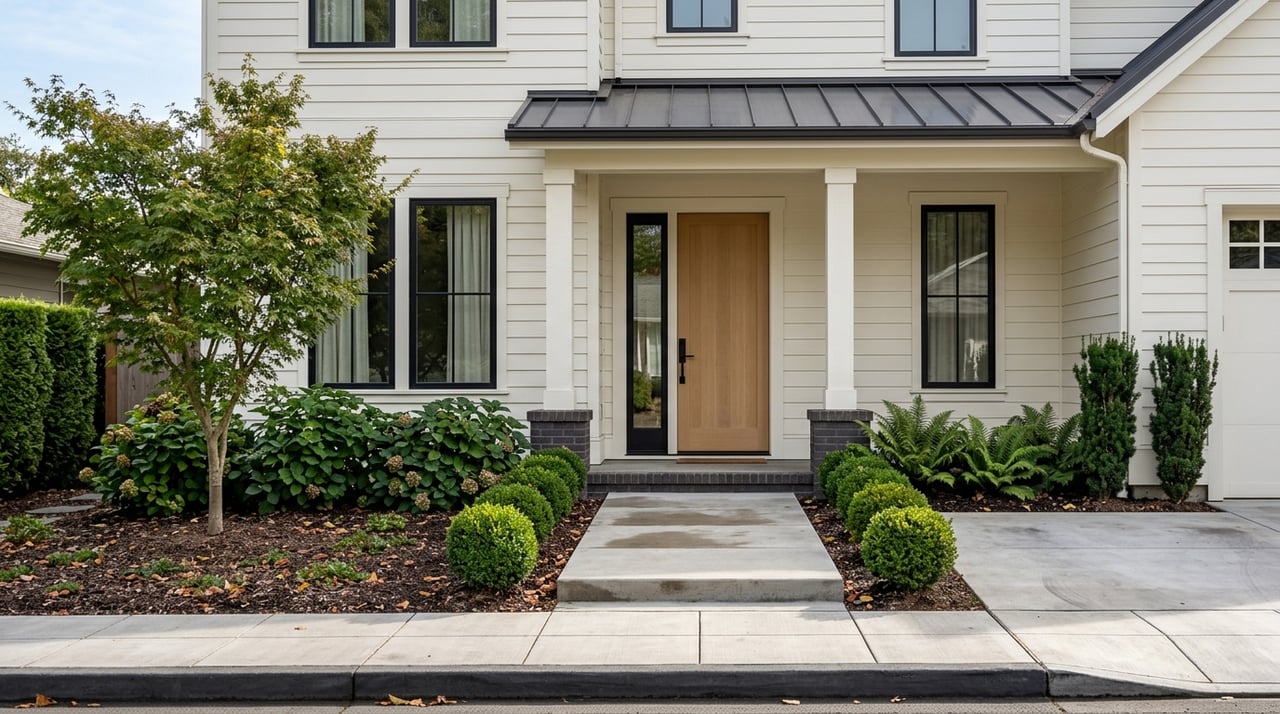
How Camas Neighborhoods Shape Everyday Living
What if the home you choose in Camas changes more than your address? In a city this compact, neighborhood differences can still shape your commute, your weekends, your walking routes, and even how often you drive for coffee or errands. If you are trying to decide where to buy or how to market a home for sale, understanding those everyday lifestyle differences can help you make a smarter move. Let’s dive in.
Camas covers about 14.08 square miles, so it can look small on a map. Still, daily life can feel very different from one area to another because of hills, shoreline areas, older streets, newer planned communities, and access to regional roads.
The city is also growing. The Census Bureau estimates 27,749 residents as of July 1, 2025, and the city’s long-range planning work looks ahead to a community of nearly 38,000 by 2045. That growth makes neighborhood fit especially important if you want a home that works well not just today, but over time.
Housing patterns add to that story. Camas has a 78.3% owner-occupied housing rate, and the mean commute to work is 24.6 minutes. In practical terms, many households here are making long-term decisions about comfort, convenience, and routine.
If you want the most walkable-feeling part of Camas, downtown and the nearby older streets stand out. The Downtown Camas Association describes this area as tree-lined and full of boutiques, eateries, art galleries, dining, and services, all tied to the city’s 1883 mill-town history.
This part of town tends to support shorter trips for everyday outings. You may be able to spend less time driving for a meal, coffee stop, service appointment, or casual social time. That can be a major lifestyle advantage if you value convenience and activity close to home.
Downtown also has a strong sense of identity. The city’s long-range planning work specifically aims to preserve and enhance the historic downtown’s unique sense of place, rich heritage, and hometown feel. That tells you this area is not just important commercially, but central to Camas as a whole.
There are tradeoffs, of course. Older housing stock, busier streets, and parking awareness can come with the benefit of convenience. If you like being near local events and having a more active street environment, that may feel like a plus rather than a drawback.
One reason downtown shapes daily life so strongly is that it is where people gather. The Downtown Camas Association highlights recurring community events like First Fridays and Camas Days, which adds energy beyond basic shopping and dining.
That means living nearby can feel more connected to the city’s social rhythm. Even if your home is on a quieter nearby street, your routine may still include easy access to events, seasonal activities, and casual nights out.
Other parts of Camas offer a very different experience. Around Prune Hill and nearby hillside areas, topography becomes a bigger part of everyday living.
City planning materials note that the slopes of Prune Hill are zoned exclusively for single-family residential development. Those same materials also note that steep slopes and historically unstable areas can limit new development in some locations.
What does that mean for you day to day? In many cases, hillside neighborhoods trade flatter walkability for privacy, elevation, and a quieter residential setting. If you prefer a home environment that feels more tucked away, these areas may appeal to you.
Hillside living in Camas is often closely tied to outdoor recreation. The city says it has 16 developed parks, 12 miles of trails, and more than 1,060 acres of parks and open space.
For example, Prune Hill Sports Park includes soccer fields, little league fields, playground equipment, and paved paths. Grass Valley Park includes hiking and biking trails, pickleball, tennis, and little league fields. Nearby park access can influence everything from your evening walks to your weekend plans.
For some buyers, that access to outdoor space matters more than being close to a commercial core. If your ideal routine includes walking trails, open views, or recreational amenities, hillside neighborhoods may line up better with your priorities.
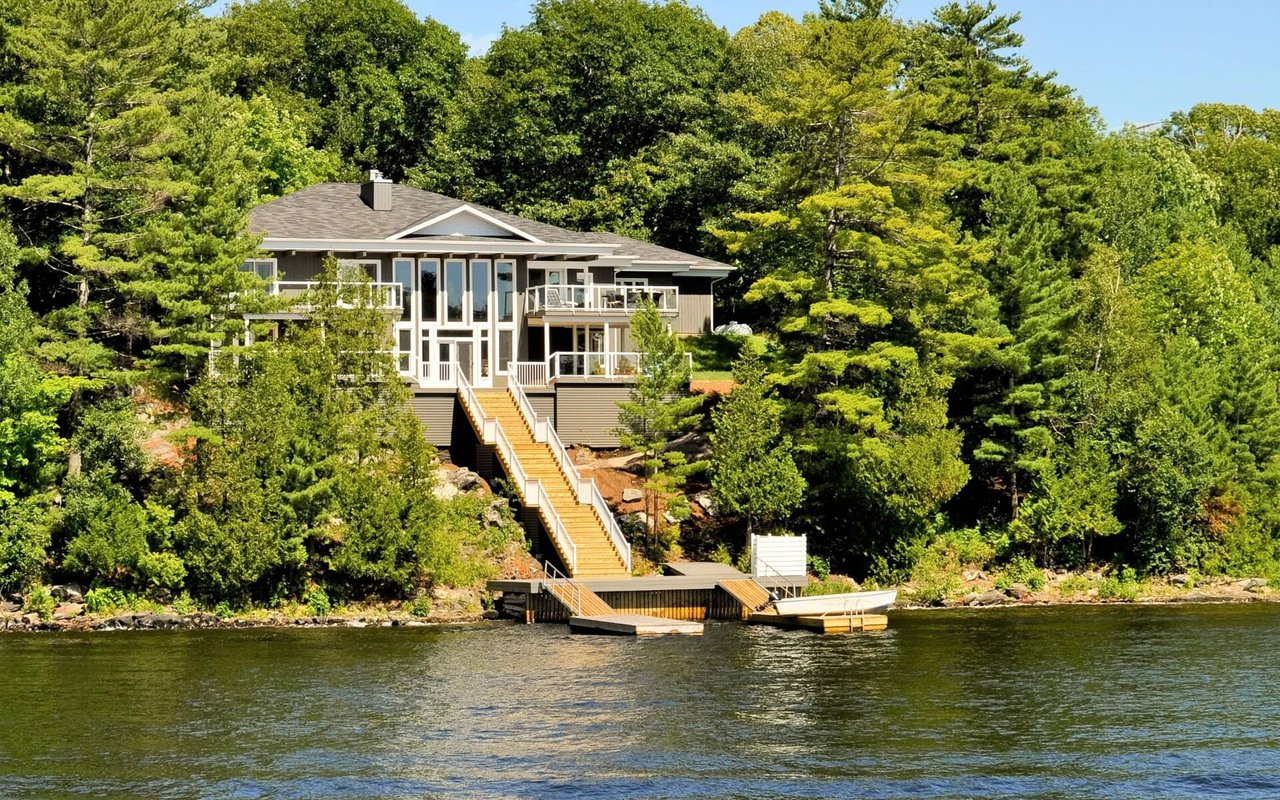
Shoreline and lake-adjacent neighborhoods add another layer to Camas living. The city’s Shorelines Master Program says Camas and its urban growth boundary include 946 acres across 26 miles of shorelines along Lacamas Creek, Fallen Leaf Lake, Lacamas Lake, Round Lake, and the Columbia and Washougal rivers.
That setting can create a lifestyle centered on scenery, trail access, and everyday contact with natural areas. The Heritage Trail along Lacamas Lake is described by the city as a long continuous nature corridor, and areas like Lacamas Park, Lacamas Creek Park, and the Washougal River Greenway support walking and biking.
Waterfront or near-water living is not only about views. The city also notes that shoreline neighbors should maintain a buffer, and some over-water structures require city, state, and federal permits. So the appeal of these areas can come with added rules and maintenance considerations.
If you are comparing shoreline homes with homes in more conventional neighborhoods, it helps to think beyond appearance. Landscaping expectations, trail etiquette, and restrictions around docks or shoreline alterations can affect how you use and care for the property.
For the right buyer, that is a worthwhile trade for privacy and a closer connection to open space. For others, a more standard lot in a non-shoreline area may feel easier to manage.
Camas also has newer growth areas that can feel very different from the historic core. In the North Shore subarea, the city describes roughly 990 acres north of Lacamas Lake that are being shaped through a formal planning framework.
This matters because planned growth often creates a more uniform streetscape. The North Shore design framework includes a mix of detached single-family homes, duplexes, cottage clusters, accessory dwelling units, rowhouses, triplexes, fourplexes, and multifamily buildings depending on district.
The same planning framework lays out street standards and planned arterials such as Ridgeline Road and North Shore Boulevard, with sidewalks and bike facilities. In everyday terms, that points to a more intentional, master-planned feel.
If you prefer newer housing stock and a more consistent visual character, these areas may stand out. You may see more predictable street layouts, newer infrastructure, and a development pattern that feels more coordinated than the older parts of town.
A current example is Lacamas Village, where the city is reviewing a 159-lot subdivision on a 12.7-acre site as part of the Green Mountain Urban Village master plan. The proposal includes about 113 detached single-family homes and 46 attached single-family homes.
For buyers, that kind of growth can mean more choices in home style and layout. For sellers, it is also a reminder that newer inventory may appeal to buyers looking for modern planning and lower-maintenance living.
Camas sits in Clark County’s eastern hilly portion along State Highway 14, with connections to I-84, I-5, and I-205. That regional access is a big part of why one neighborhood may work better for you than another.
Two homes can seem similar online but create very different daily routines depending on where you need to go most often. If your week includes frequent regional driving, location within Camas can influence how easy that routine feels.
Transit exists, but it is limited. C-TRAN Route 92 serves Camas and Washougal, and The Current provides on-demand door-to-door service in the Camas/Washougal zone with direct connections to Fisher’s Landing Transit Center.
For some households, that offers an alternative to driving, especially near main service corridors. For many others, car travel will still be a major part of everyday life, which makes neighborhood location even more important.
For households tracking school attendance areas, geography matters here as well. Camas School District divides attendance geographically, and the current elementary boundaries were implemented in 2013.
According to the district, Helen Baller, Lacamas Lake, and Woodburn elementary students feed Liberty Middle School. Dorothy Fox, Grass Valley, and Prune Hill elementary students feed Skyridge Middle School.
Because enrollments and exceptions can change, families are expected to check the current boundary map. The key point is simple: two homes with similar size, price, or style can still lead to different day-to-day routines based on assignment patterns.
The best neighborhood in Camas depends on how you want your days to feel. If you want convenience, activity, and a historic setting, downtown may be the strongest fit. If you want privacy, elevation, and nearby recreation, hillside areas may be a better match.
If nature access and shoreline surroundings matter most, lake-adjacent and waterfront areas may deserve a closer look. If you prefer newer homes, more planned streets, and a more uniform feel, growth areas like North Shore may check more boxes.
That is why neighborhood-level guidance matters. In a city like Camas, the difference between a good move and a great one often comes down to how well the location supports your real routine.
Whether you are buying or preparing to sell, local insight can help you see past the photos and focus on how a home will actually live. If you want help thinking through Camas neighborhood tradeoffs or positioning your home for the right buyer, Debra Penton-Clark is here to guide you.

Market Report
This week the median list price for Washougal, WA 98671 is $875,000 with the market action index hovering around 32.
Market Report
This week the median list price for Vancouver, WA is $624,900 with the market action index hovering around 42.
Market Report
This week the median list price for Clark County, WA is $716,000 with the market action index hovering around 39.
Market Report
This week the median list price for Camas, WA 98607 is $1,009,950 with the market action index hovering around 34.
If you are thinking about buying or selling a property in Washington or Oregon, you need a Realtor that knows the market. You will be my absolute focus. I will work with you every step of the way. First property or moving to your forever home, I will make the process simple, efficient and tailored to your wishes.