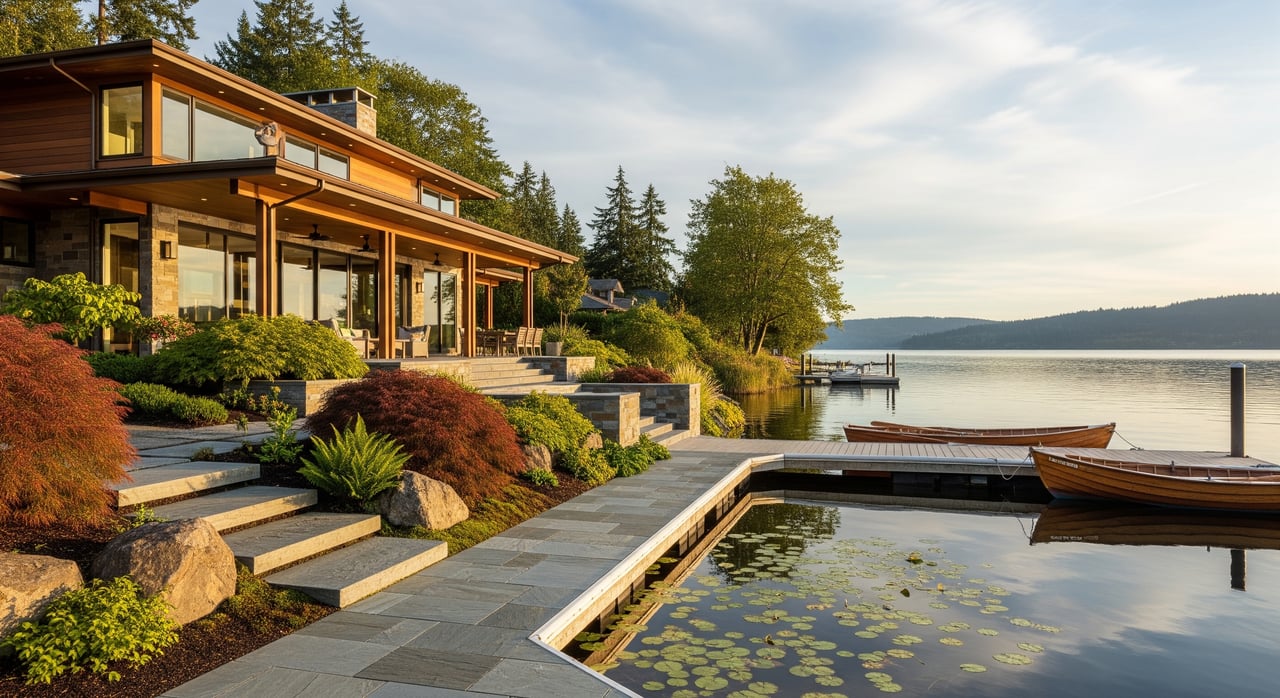
How to Price Your Lake Oswego Home for Success
Pricing your Lake Oswego home right is the single biggest lever you control when you sell. Set it too high and you risk sitting on the market and making price cuts. Set it thoughtfully and you invite more showings, stronger offers, and a smoother path to closing. In this guide, you’ll learn how to read Lake Oswego’s micro‑markets, choose the right comps, factor in waterfront premiums, and use staging and timing to maximize your net. Let’s dive in.
Lake Oswego is not one market. Different areas draw different buyers and pricing behaviors. Knowing your micro‑market helps you set a list price buyers will recognize as fair and compelling.
Seasonality plays a role. Spring and early summer generally see stronger buyer traffic, while late fall and winter can be quieter. Watch local indicators like days on market, months of inventory, and recent price reductions to decide whether to list now or prep and wait.
For planning, follow credible local sources. City maps and overlays help reveal zoning and shoreline rules, which can affect value and marketing. You can review local regulations and maps through the City of Lake Oswego planning and maps.
Comps are the foundation of pricing. The goal is to model what buyers would reasonably consider as alternatives to your home.
Define your property’s tier. Are you direct waterfront, view, or interior? Note any dock rights, lot size, and special features.
Pull the most recent closed sales from the same micro‑market within the last 3 to 6 months. If the market is slow, look back up to 12 months for more data.
Prioritize closed sales first, then pending sales for direction, then active listings for your competition. Also note any recent expired or withdrawn listings as caution signs.
Keep location tight. For waterfront, focus on the same shore or segment. For interior homes, a 1 to 2 mile radius is usually reasonable.
Assemble 3 to 6 usable comps and note the adjustments you will make for differences.
Use county records to verify facts like lot size, taxes, and recorded easements. The Clackamas County Assessor and Recorder is a reliable source.
Do not compare to distant waterfront sales without adjusting for shore segment and dock rights. Avoid over‑relying on one standout luxury sale if your home is more typical for the area. Pay attention to recent price reductions in your tier. They reveal where buyers are pushing back and can save you from repeating the same mistake.
Waterfront pricing is about more than square footage. Lot value can dominate. A modest cottage on a prime lot with a private dock can outperform a larger interior home.
Direct frontage, private docking rights, and a wide, unobstructed view lead the list. Exposure, shoreline improvements, navigability, and privacy matter as well. Legal status and permits for docks or boathouses can influence both appraisal support and buyer confidence.
For riverfront, consider navigability and flood risk. Confirm any floodplain overlays using FEMA flood maps and review local shoreline rules through the City of Lake Oswego. Buyers and appraisers will ask the same questions.
Waterfront comps are scarce, which can increase valuation uncertainty. Appraisers may rely on heavier adjustments or land value allocations. When pricing at the top of the range, plan for appraisal management and documentation to support the contract price.
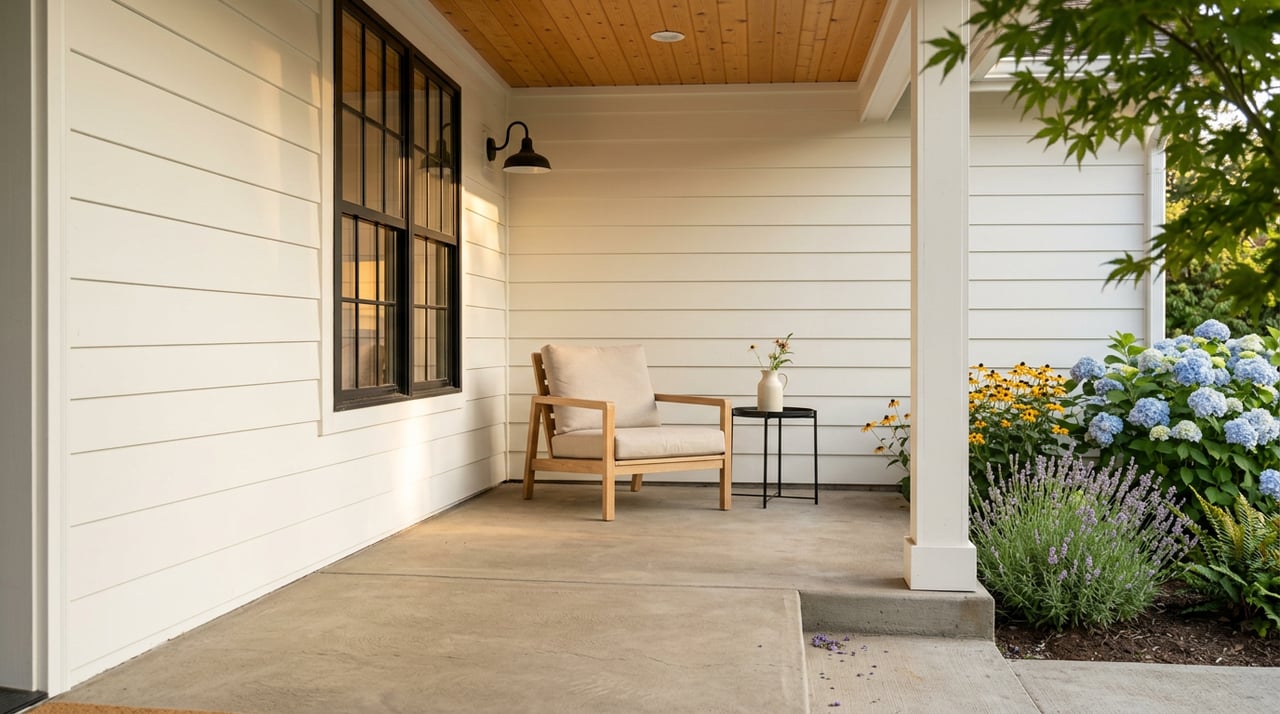
In a high‑expectation market like Lake Oswego, presentation is powerful. Staging helps buyers visualize living in your home, and high‑quality media boosts online traffic during the critical first two weeks.
Industry research from the National Association of REALTORS indicates staged homes often show better and can reduce time on market. While every property is unique, a clean, neutral, well‑lit presentation typically supports a stronger price position.
When your home looks its best, price at the higher end of the comp range and be ready to justify the premium with similar staged and updated sales. If condition is average, position closer to mid or lower range, then let the market react.
Your pricing method should reflect your goals and the market you are in. Each approach carries tradeoffs.
List slightly under market to spark multiple offers. This can push your final price above list and shorten time on market. Risks include appraisal gaps and attracting buyers who expect low contingencies, so have a plan for appraisal support.
List near the supported comp value to balance traffic and appraisal safety. This strategy typically draws well‑qualified buyers and produces solid negotiations with fewer surprises.
Start high expecting to negotiate. This often suppresses early showings and can lead to markdowns and longer days on market. The result can be a lower net than if you had priced correctly from the start.
Track market reports through professional organizations like Oregon REALTORS to sense shifts in absorption, days on market, and sale‑to‑list ratios. These metrics can help you fine‑tune your starting point.
Gather documentation before you list. Create a comp package highlighting recent upgrades, permits, and unique waterfront attributes such as permitted docks or shoreline work. This makes it easier to demonstrate value to appraisers and buyers.
Consider pre‑listing inspections for major systems like roof, pest, HVAC, and even a sewer scope. Proactive disclosure can reduce renegotiation risk and keep your closing on schedule.
Oregon sellers generally provide an Oregon Residential Property Disclosure Statement. You must disclose known material defects. Homes built before 1978 require a federal lead‑based paint disclosure. For more on state‑level guidance and reports, use Oregon REALTORS as a reference.
If your property is near the lake or river, confirm shoreline setbacks and any permits tied to your dock or stabilization work. The City of Lake Oswego and Clackamas County can help you verify records and overlays that affect value and marketing.
A higher list price does not always equal a higher net. Longer time on market and credits after inspections can erode your bottom line.
Build a seller net sheet using three price scenarios: aggressive, market, and conservative. Include estimated closing costs, commissions, prorations, possible repair credits, and any lien payoff. If you have capital gains questions, consult a CPA for tax advice.
Your launch window is critical. Aim to concentrate interest early.
Ready to talk through your pricing strategy, staging plan, and timing for Lake Oswego? Reach out to Debra Penton-Clark for a free home valuation and staging consultation. You will get a clear comp analysis, a tailored prep plan, and a launch strategy designed to maximize your net proceeds.
Market Report
This week the median list price for Washougal, WA 98671 is $850,600 with the market action index hovering around 32.

Market Report
This week the median list price for Vancouver, WA is $599,000 with the market action index hovering around 39.
Market Report
This week the median list price for Clark County, WA is $669,450 with the market action index hovering around 36.
Market Report
This week the median list price for Camas, WA 98607 is $994,950 with the market action index hovering around 35.
If you are thinking about buying or selling a property in Washington or Oregon, you need a Realtor that knows the market. You will be my absolute focus. I will work with you every step of the way. First property or moving to your forever home, I will make the process simple, efficient and tailored to your wishes.