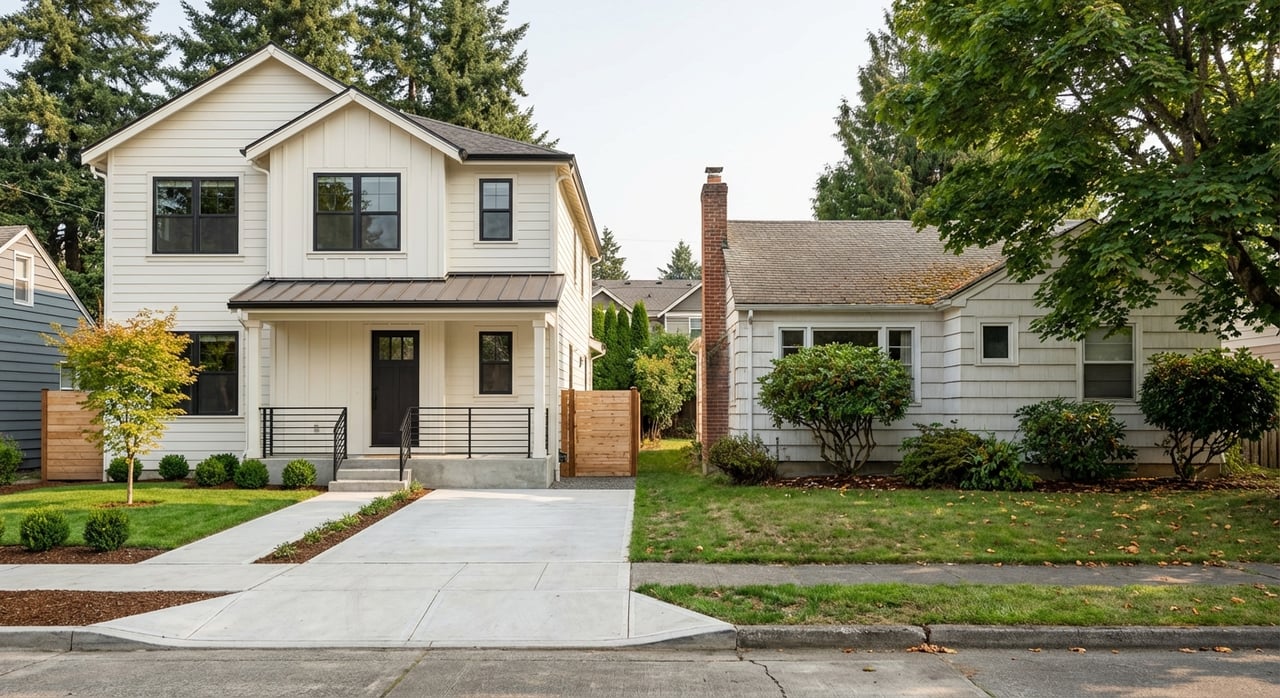
Choosing Battle Ground WA New Construction or Older Homes
Should you choose the fresh start of a new subdivision or the charm and space of an established neighborhood in Battle Ground? If you are weighing that decision, you are not alone. Many buyers here want a clear, side-by-side view of what changes most for daily life, long-term costs, and resale potential. In this guide, you will get practical comparisons, local examples, and a simple checklist to help you pick the right fit for your goals. Let’s dive in.
Battle Ground is a small but growing city in north Clark County with roughly 22–23k residents, according to the city’s overview page. You feel close to nature, yet you are within the Portland metro orbit for work and play. Learn more about the community on the City of Battle Ground “About Us” page.
Price snapshots vary by data source, but most public indicators place typical values in the mid to high $500ks in recent months. Differences between “typical value” estimates and median sold prices reflect different methods and time frames, so it is best to compare your specific neighborhood and home type rather than rely on a single citywide number.
New construction has been active locally, and national trends have made new homes more competitive. In 2024–2025, the price gap between new and existing homes narrowed as builders offered incentives and more inventory reached the market. See the national context from NAR’s coverage of the shift.
New subdivisions in Battle Ground often sit on smaller lots to keep prices attainable and add inventory. A recent example in town shows lots around 3,920 square feet, with a modest rear yard and a low monthly HOA. Smaller lots reduce yard work and water use but limit options for future additions, larger gardens, or RV parking.
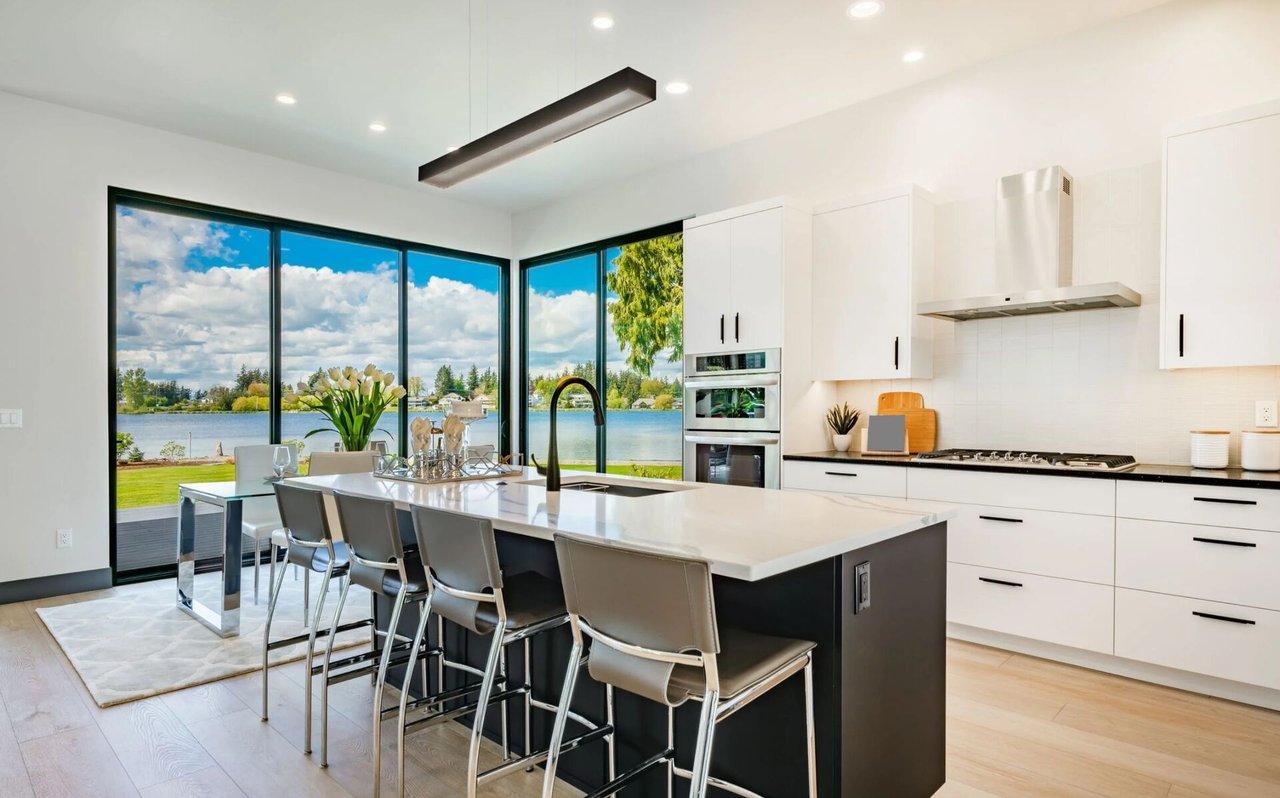
You usually get modern layouts, bright open kitchens, flexible loft or office spaces, and EV-ready garages. New systems and current code standards can mean lower utility costs. Most builders include a workmanship and structural warranty. That reduces near-term repair risk and simplifies budgeting during your first few years in the home.
Many new subdivisions are part of an HOA with recorded CC&Rs. Monthly dues are often modest for single-family communities, but rules and future budgets matter more than the fee amount. Washington has updated its common-interest community laws in recent years. Ask for the developer’s public offering statement, recorded CC&Rs, bylaws, current budget, and the reserve study. You can review the framework behind these updates in Senate Bill 5796.
Walkability in Battle Ground varies widely by block. Some downtown and infill pockets are more walkable to coffee, restaurants, and errands, while many edge-of-town subdivisions require a car for most daily needs. Check property-specific scores on Walk Score’s Battle Ground page. For commuting, expect roughly 25–35 minutes north of Portland depending on traffic and your route to SR-503 or I-5. The city’s overview gives helpful regional context on location and access.
In a multi-phase community, active building may continue for months or years. Expect daytime noise, staging, and temporary detours. Landscaping is young, so shade and privacy will take time to grow in. If you prefer immediate quiet and a mature tree canopy, consider established areas instead.
Older Battle Ground homes frequently offer more land. Active resale examples show a wide range, including properties at 0.2 acres and some well above 1 acre. Larger lots provide privacy, room for gardens or a future shop, and potential for accessory structures where allowed by code. The tradeoff is more yard work, higher landscape costs, and sometimes higher property assessments for land value.
Established homes often feature traditional millwork, bigger yards, and stable neighborhood patterns. They can also require near-term updates. Roofs, HVAC equipment, panels, and water heaters have useful life ranges, so budget for replacements within the first 5–10 years depending on age. For homes built before 1978, federal lead-based paint disclosure rules apply. Learn what to expect from the EPA’s lead disclosure overview. A thorough home inspection, plus targeted tests where relevant, will clarify timing and cost.
Many older neighborhoods have no HOA or very limited rules. Still, verify whether CC&Rs exist for your specific property. If an HOA is present, request the same documents you would for a new subdivision, including budgets and reserve studies.
Builders have recently offered interest rate buydowns and closing cost credits that narrow the upfront gap with resale homes. According to NAR’s reporting, this is a national trend. Locally, resale performance often comes down to lot size, location, commute, and school assignments rather than the home’s age alone.
Appraisals in just-built subdivisions can be tricky if there are few nearby closed sales. Be cautious with extensive design-center upgrades or a high lot premium. If you go new, compare net costs after incentives and interest rates, not just sticker prices. Confirm your contract’s appraisal and financing contingencies before you commit.
New construction projects typically pay impact fees that support roads, parks, and schools. These are handled at the permit stage and are part of a builder’s costs. You can read how impact fees work at the county level on Clark County’s “Where do my fees go?” page.
Property taxes can step up noticeably when a home is newly assessed. In Clark County, new construction value is added when the home is completed, which can raise the assessed value compared to prior years. Plan your tax budget using likely assessed values rather than a previous owner’s bill. See assessment basics on the Clark County Assessor site.
Walkability differs block by block. Downtown and in-town streets often have better access to shops and services. New subdivisions may include sidewalks and pocket parks but are usually more car-dependent. Use Walk Score for an address-by-address view.
If schools are part of your decision, confirm current boundaries and program offerings for each specific address through district resources. Boundaries and programs can change. Keep language and decisions neutral and focused on fit for your needs.
Use this list to compare options and protect your interests.
Core documents for any home:
New construction specifics:
Established home specifics:
HOA due diligence for any HOA property:
Timeline and occupancy for new homes:
Taxes and fees planning:
If you want a local, side-by-side view of the neighborhoods and communities that fit your goals, let’s talk. A short strategy call and a custom tour can save weeks of guesswork.
Ready to start? Reach out to Debra Penton-Clark for a personal consultation and neighborhood-level guidance.
Market Report
This week the median list price for Washougal, WA 98671 is $875,000 with the market action index hovering around 32.

Market Report
This week the median list price for Vancouver, WA is $624,900 with the market action index hovering around 42.
Market Report
This week the median list price for Clark County, WA is $716,000 with the market action index hovering around 39.
Market Report
This week the median list price for Camas, WA 98607 is $1,009,950 with the market action index hovering around 34.
If you are thinking about buying or selling a property in Washington or Oregon, you need a Realtor that knows the market. You will be my absolute focus. I will work with you every step of the way. First property or moving to your forever home, I will make the process simple, efficient and tailored to your wishes.